
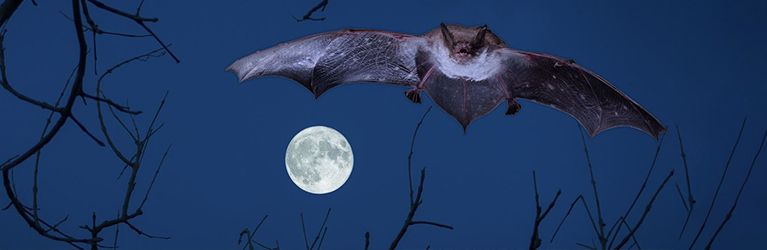
Bats have long been surrounded by mystery and misconceptions, often portrayed in folklore and media as creatures of the night with sinister associations. However, these nocturnal mammals play a vital role in our ecosystems.
We will explore some common myths and present the facts to better understand these fascinating creatures.
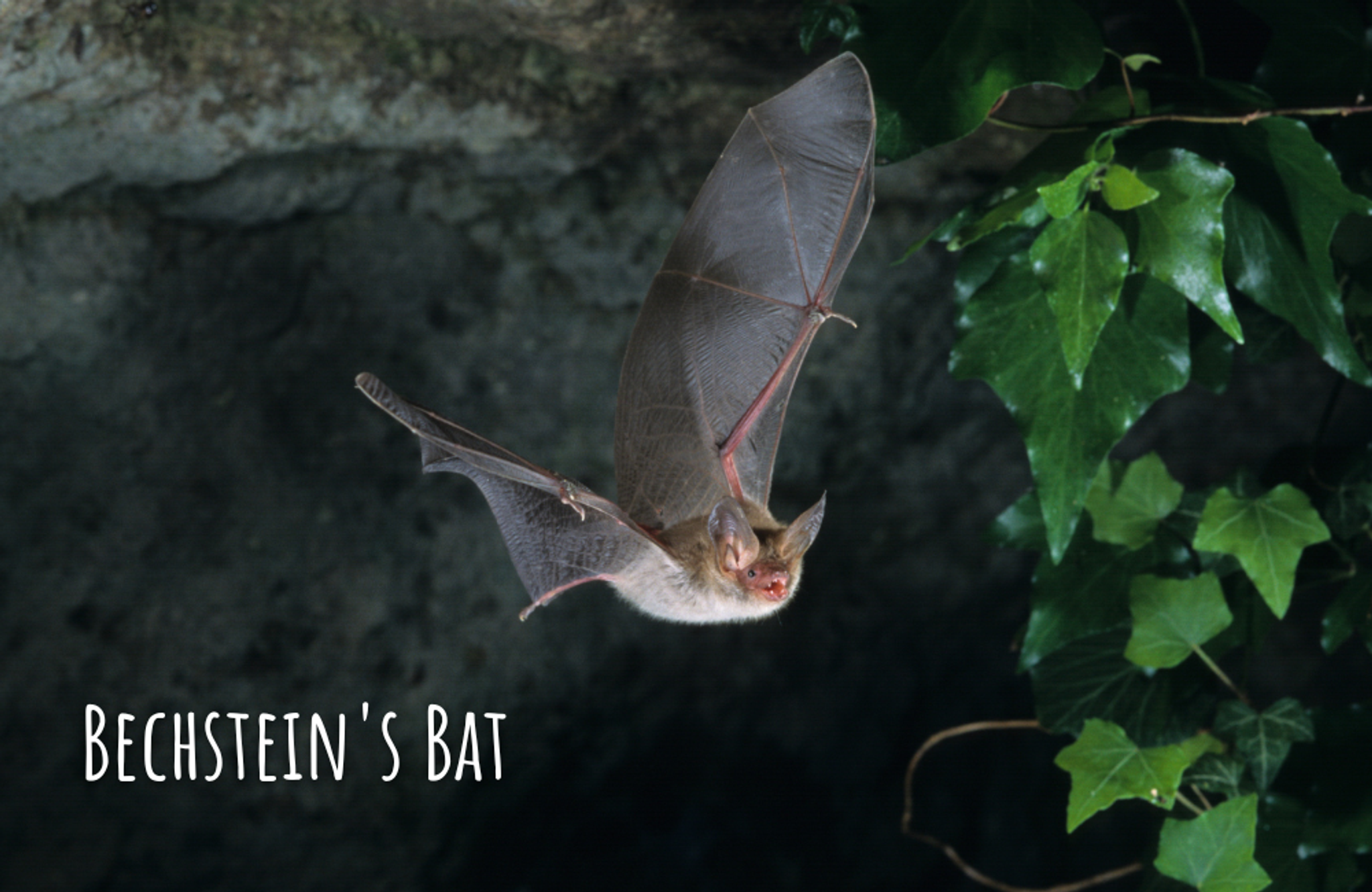
Myth 1: Bats are blind
Fact: The phrase "blind as a bat" is misleading. Bats are not blind; in fact, they have functional eyes and can see quite well. Many species rely on their vision for navigation, especially in low-light conditions.
Additionally, bats use echolocation—a biological sonar—to hunt and navigate in complete darkness, emitting high-frequency sounds that bounce off objects and return as echoes, allowing them to build a sonic map of their surroundings.
Myth 2: Bats are flying rodents
Fact: While bats may resemble rodents, they belong to their own order called Chiroptera, which means "hand-wing." This classification distinguishes them from rodents, highlighting their unique evolutionary path. Bats are the only mammals capable of sustained flight, a trait that sets them apart in the animal kingdom.
Myth 3: All bats are bloodsuckers
Fact: The majority of bat species are insectivorous, feeding on insects, while others consume fruits or nectar. Only three species, known as vampire bats, feed on blood, and they primarily target livestock rather than humans. These species are found in Latin America and represent a tiny fraction of the over 1,400 bat species worldwide.
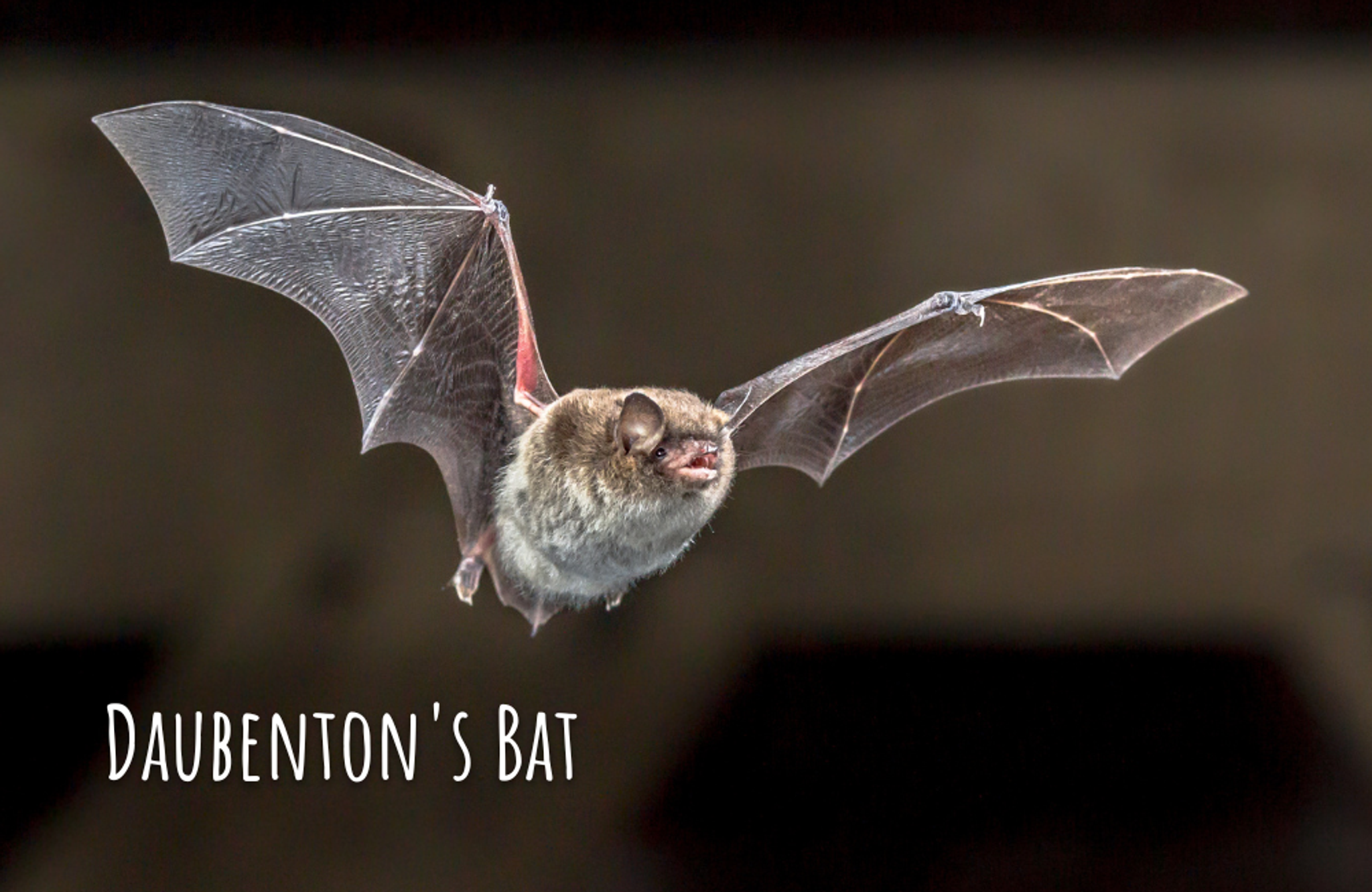
Myth 4: Bats are pests and carry diseases
Fact: Bats play a crucial role in controlling insect populations, acting as natural pest controllers. A single bat can consume thousands of insects in one night, benefiting agriculture and reducing the need for chemical pesticides.
While it's true that bats can carry diseases like rabies, the risk of transmission to humans is minimal if proper precautions are taken. It's essential to avoid handling wild bats and to seek medical attention if bitten.
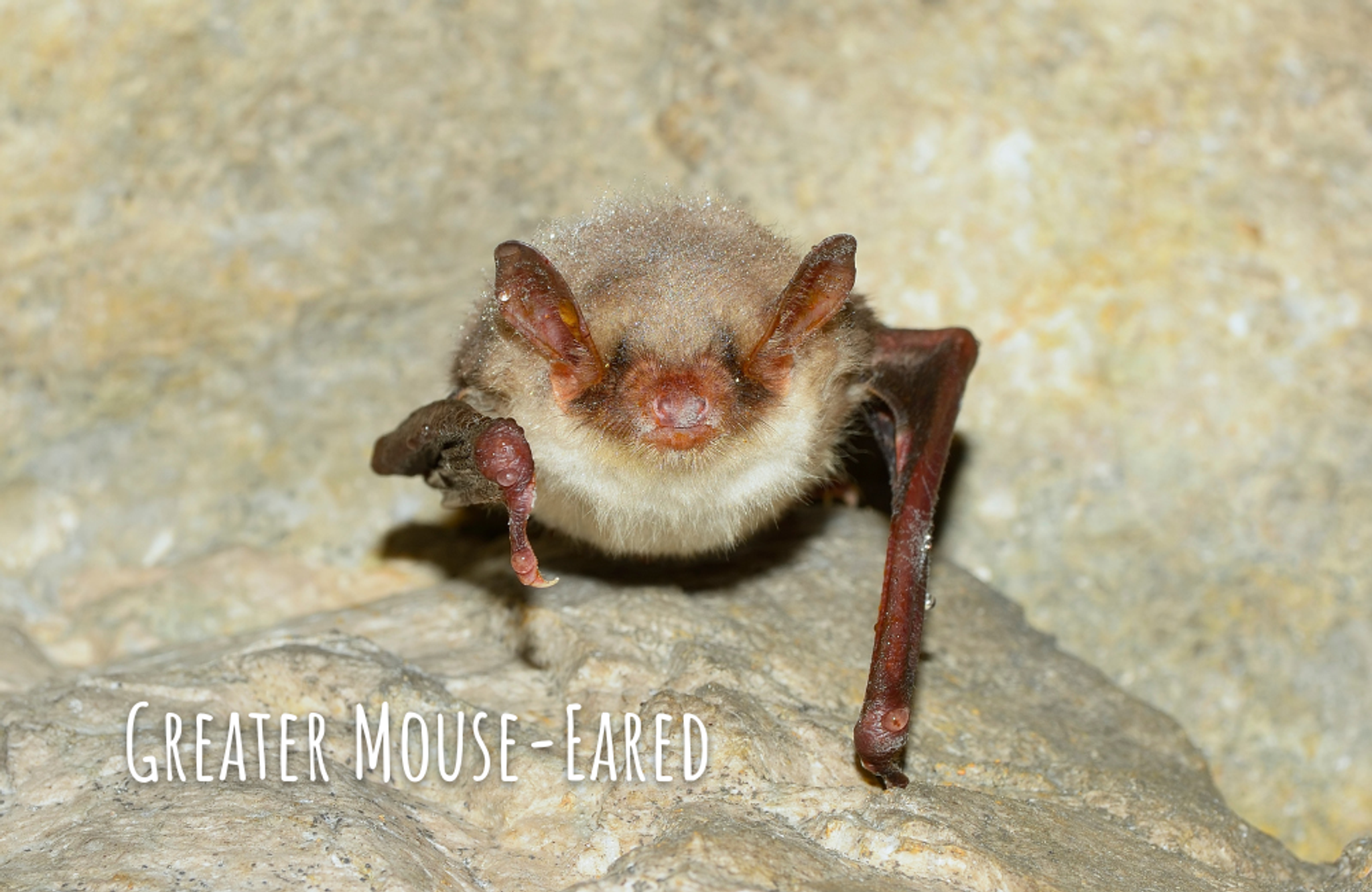
Myth 5: Bats will fly into your hair
Fact: The belief that bats intentionally fly into people's hair is unfounded. Bats have excellent navigation skills and are adept at avoiding obstacles, including humans. Instances where bats come close to people are likely due to their pursuit of insects attracted to human activity or lighting.
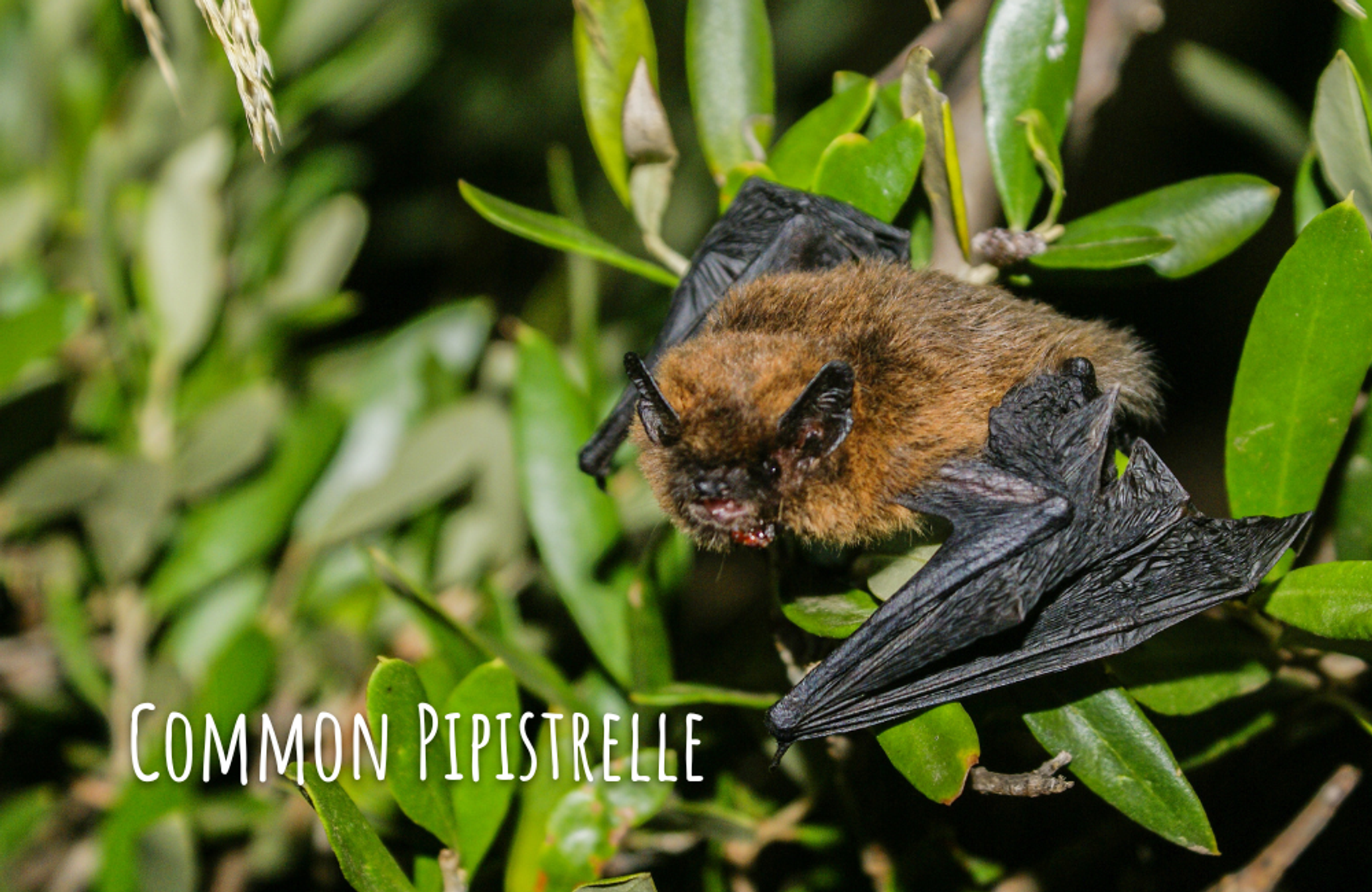
Myth 6: Bats are not important for the environment
Fact: Bats are vital for maintaining healthy ecosystems. Insect-eating bats help control pest populations, fruit bats aid in seed dispersal, and nectar-feeding bats are pollinators for various plants. Their ecological contributions support biodiversity and benefit agriculture and forestry.
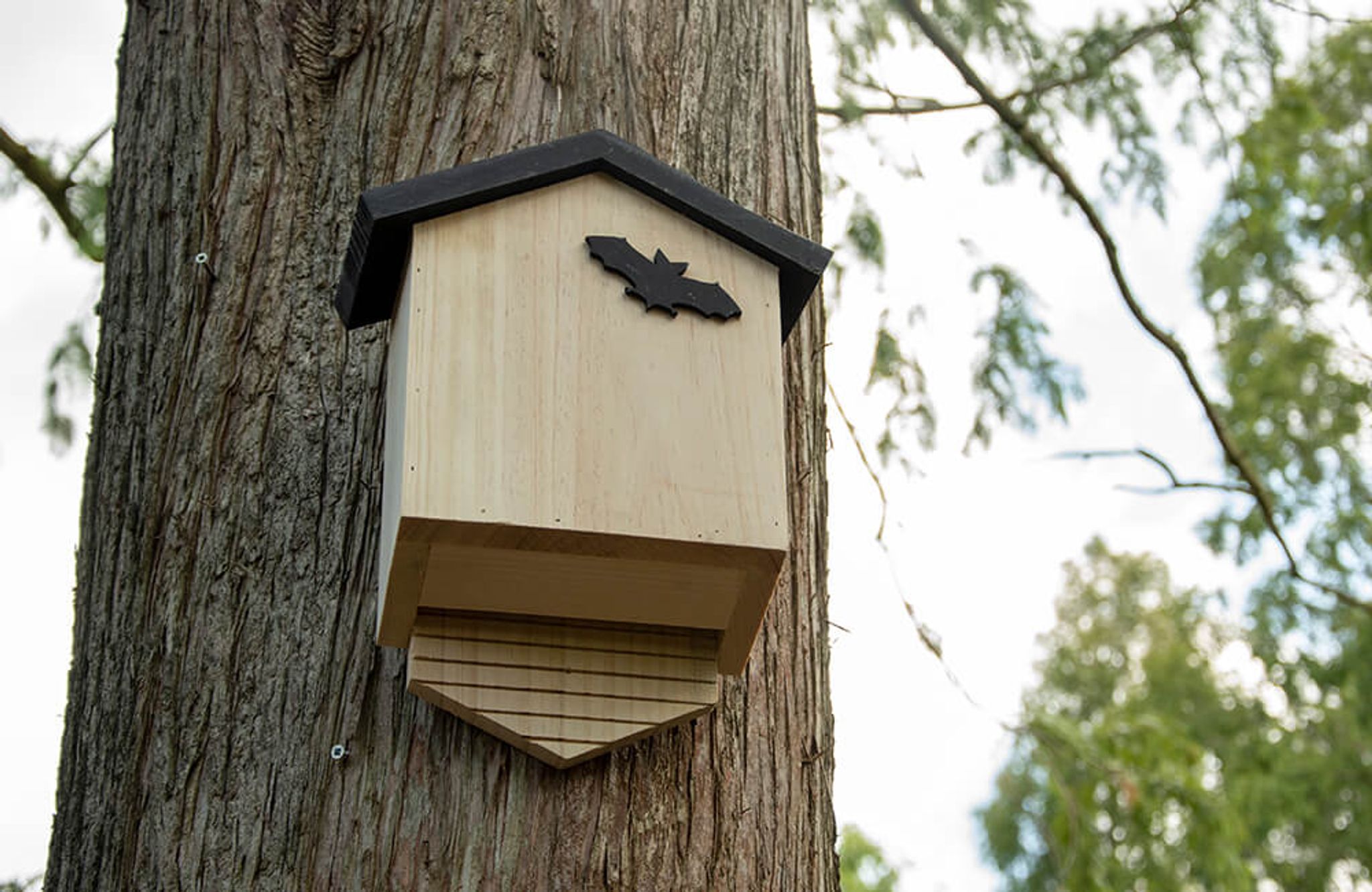
Supporting bats in your area
Understanding the importance of bats is the first step toward their conservation. Here are some ways you can support local bat populations:
- Install bat boxes: Providing safe roosting sites can help bats find shelter, especially in areas where natural habitats are scarce.
- Reduce pesticide use: Limiting chemicals in your garden preserves the insects that bats feed on and ensures a healthier environment.
- Protect natural habitats: Preserving woodlands, wetlands, and other natural areas supports the ecosystems that bats rely on.
By dispelling myths and recognizing the essential roles bats play, we can foster a more harmonious coexistence with these remarkable mammals.