
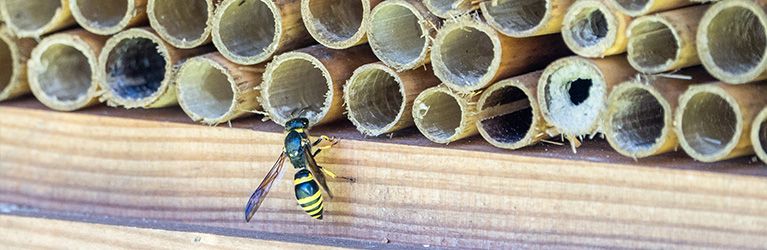
Encouraging biodiversity in your garden is one of the best ways to support the environment. A bug hotel provides a safe haven for insects, which in turn helps pollinate plants and control pests. Whether you have a large garden or just a small balcony, you can build a bug hotel using natural materials.
In this guide, we’ll take you through the steps to build your own bug hotel. We’ll also cover why bug hotels are important, what materials to use, and how to maintain them for long-term success.
Why build a bug hotel?
A bug hotel is more than just a fun garden project; it plays a vital role in supporting wildlife. Here are some key benefits:
✅ Encourages biodiversity – It provides a home for pollinators like bees, beetles, and butterflies.
✅ Natural pest control – Predatory insects such as ladybirds and spiders help reduce harmful pests.
✅ Soil health – Decomposers like woodlice and fungi break down organic matter, enriching the soil.
✅ Educational value – A bug hotel is a great way to teach children about the importance of insects in the ecosystem.
Now, let’s get started building one!
Step 1: Choose a location
The ideal spot for your bug hotel depends on the insects you want to attract. Here are some tips for placement:
-
Sheltered area – Position the hotel in a place protected from strong winds and heavy rain.
-
Partial sunlight – Many insects, like solitary bees, prefer warmth.
-
Near plants – Positioning your bug hotel near flowers and shrubs makes it easier for pollinators to find food.
-
On the ground or raised? – Some bugs prefer damp conditions, so placing your hotel at ground level is ideal. If you want to attract solitary bees, raising it slightly helps keep it dry.
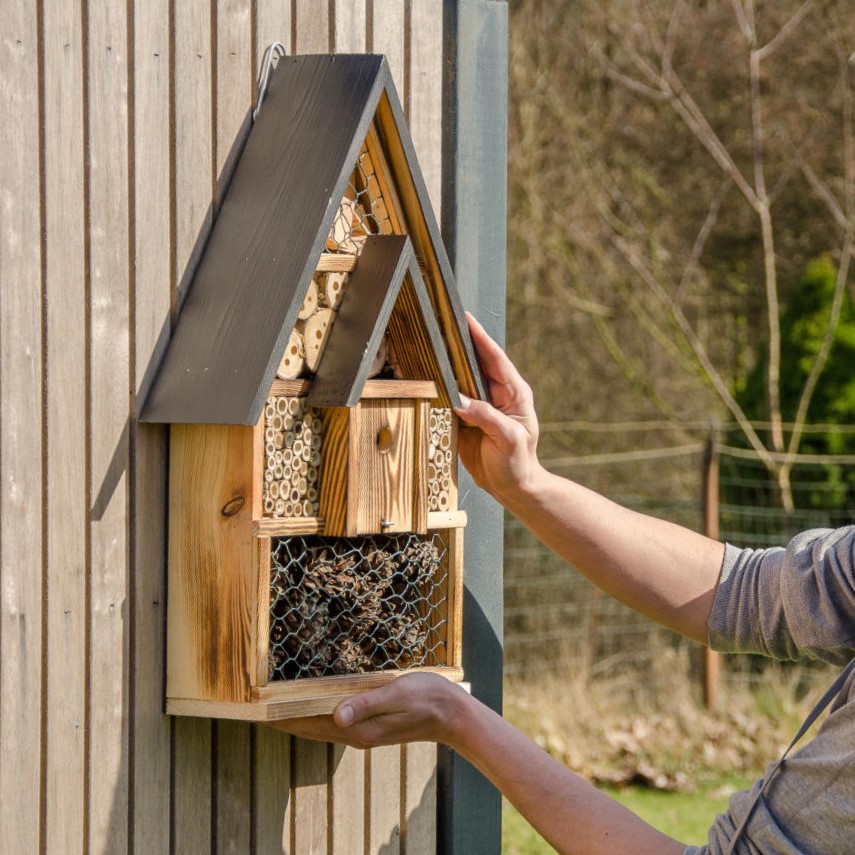
Step 2: Gather materials
A variety of natural and recycled materials will attract different species. Here’s what you’ll need:
-
Wooden pallets or planks – Forms the main structure.
-
Bricks with holes – Provides hiding spots for insects.
-
Logs and sticks – Great for beetles and woodlice.
-
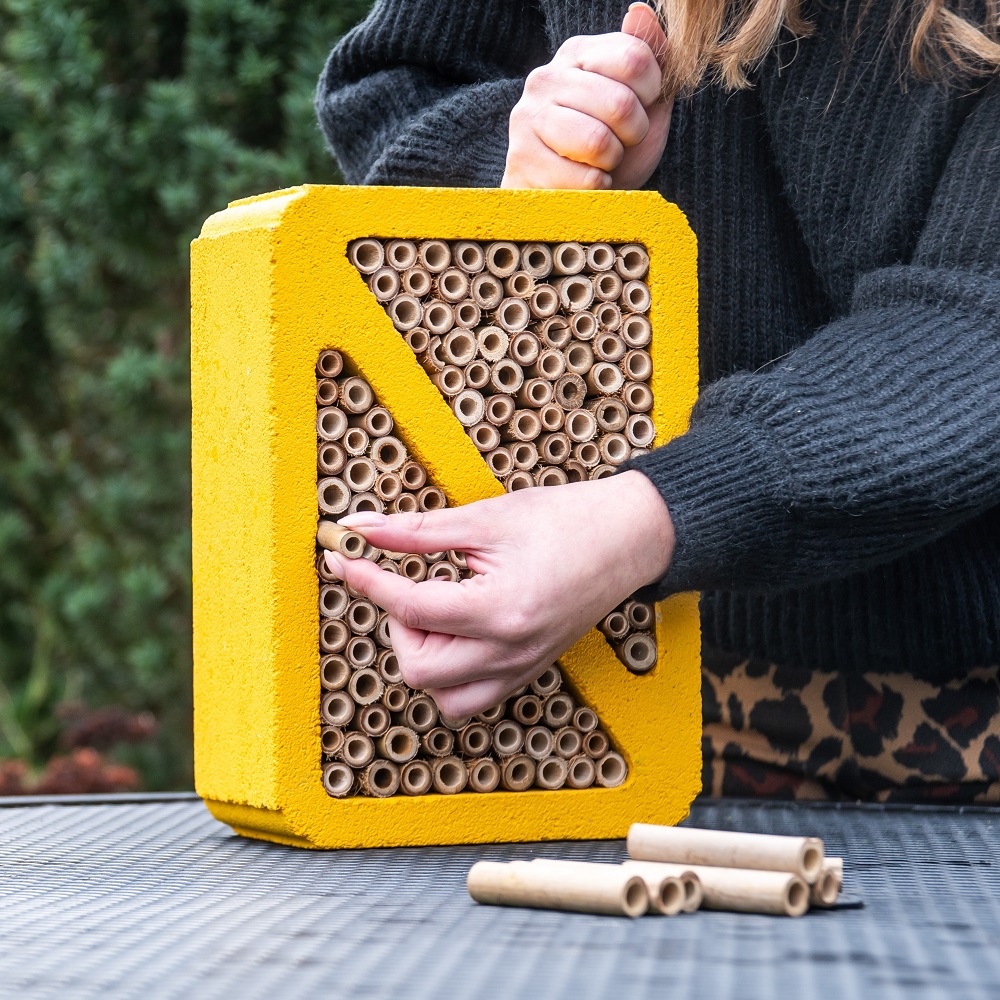
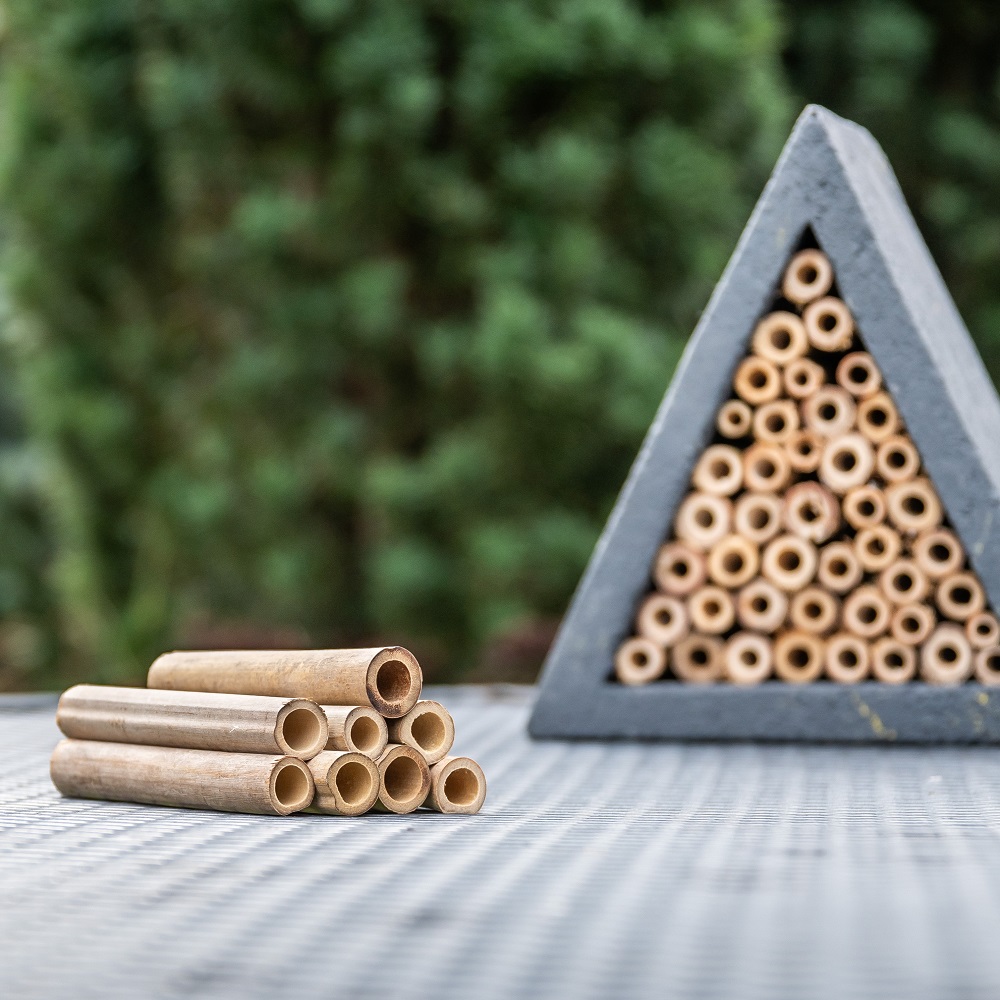
Bamboo canes or hollow stems – Attracts solitary bees.
-
Straw, leaves, and pinecones – Creates nesting material.
-
Roofing (e.g., bark, tiles, or slate) – Keeps the hotel dry.
Pro Tip: Avoid using treated wood or painted materials, as chemicals can harm insects.
4. Assembling the birdhouse
-
Stack wooden pallets – If you have old pallets, stacking them is an easy way to create compartments. Otherwise, use wooden planks to make a box structure.
-
Secure the structure – Use nails or screws to keep everything stable. Make sure it won’t collapse in bad weather.
-
Size matters – The larger your hotel, the more insects it can house. A small, compact design works well for urban gardens.
If you’re short on space, a simple box filled with materials can work just as well as a multi-level structure.
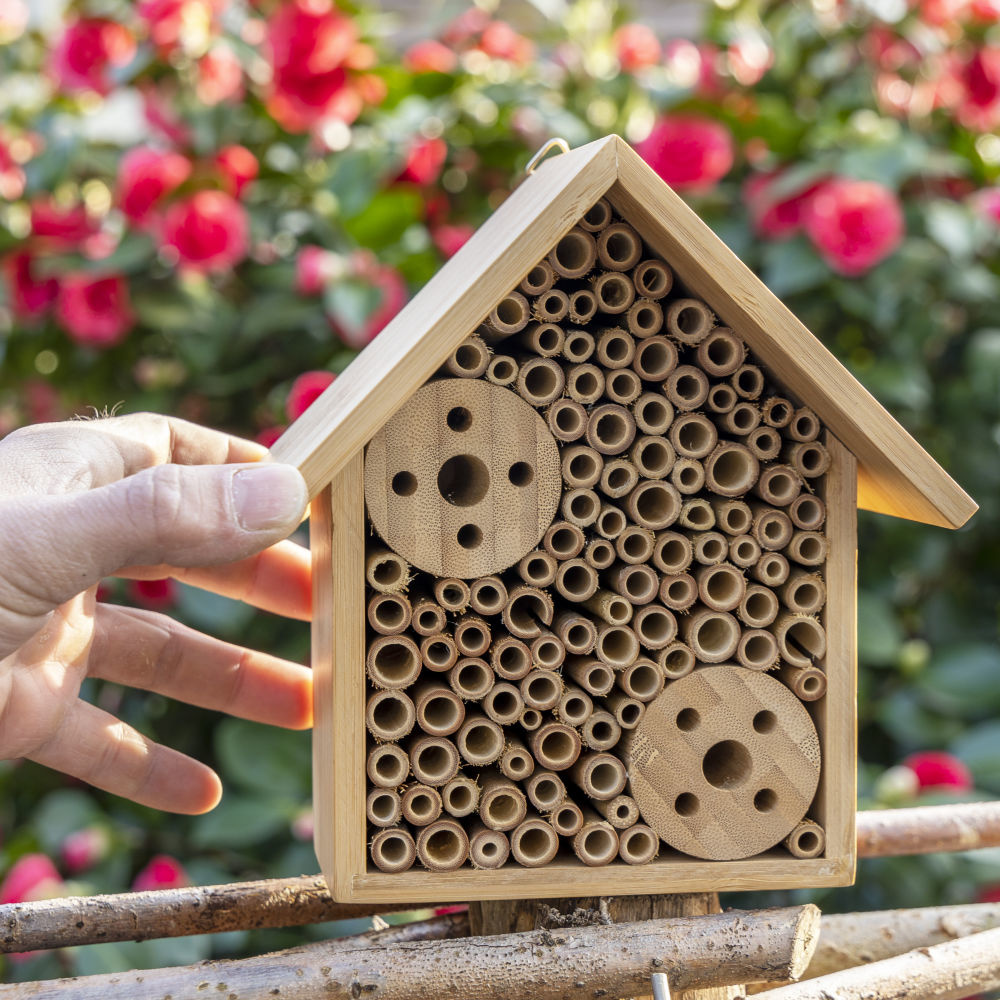
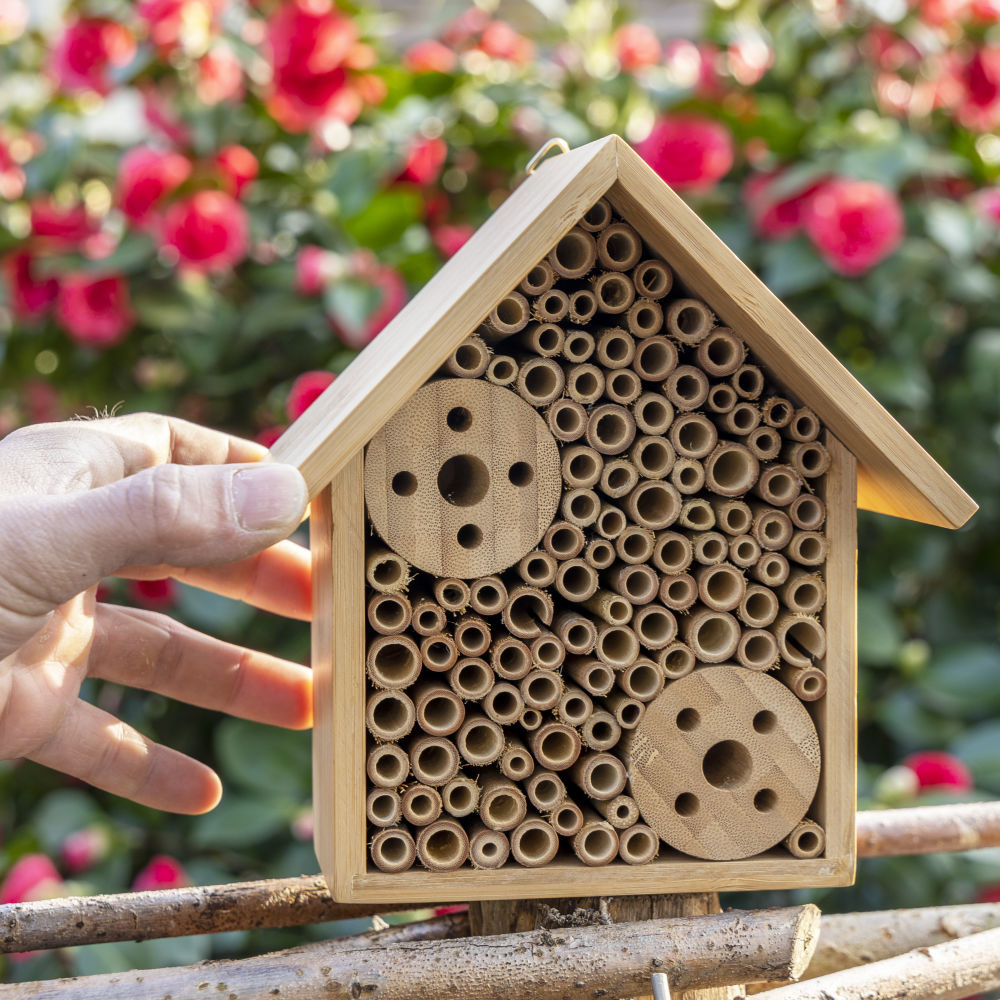
Step 4: Fill the compartments
Now comes the fun part—filling your bug hotel with different materials!
-
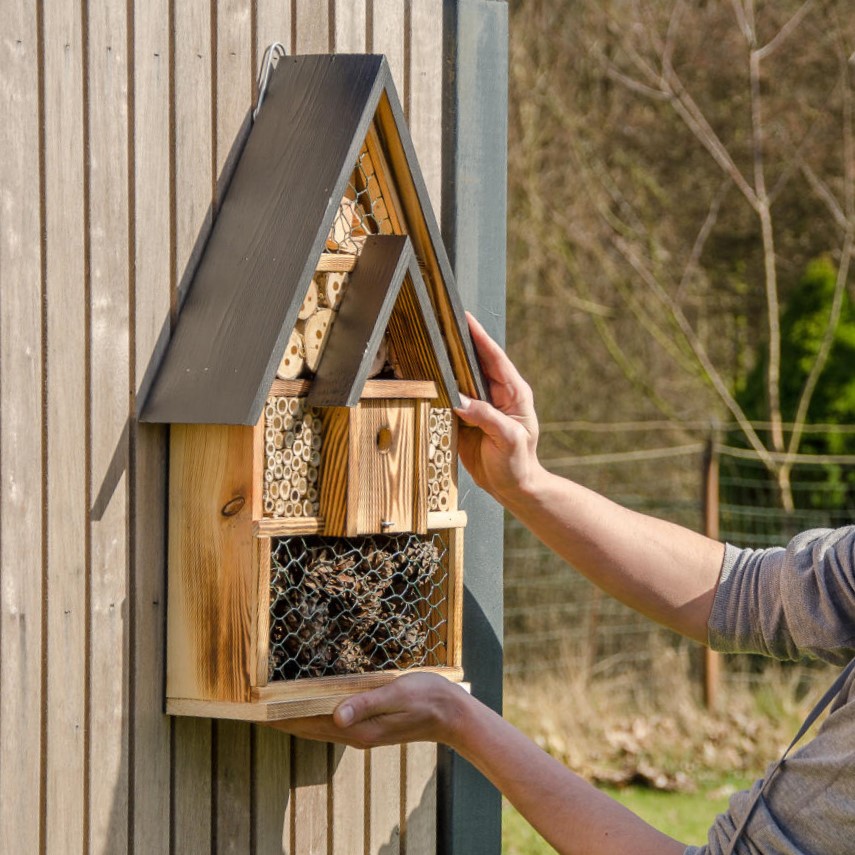
Top level: dry materials – Bamboo canes, hollow stems, and straw attract pollinators like solitary bees.
-
Middle level: mixed habitat – Logs, dry leaves, pinecones, and broken terracotta pots create shelter for ladybirds and spiders.
-
Bottom level: damp area – Rotten wood, bark, and soil are perfect for woodlice, centipedes, and fungi.
Layering different materials ensures you provide shelter for a wide variety of species.
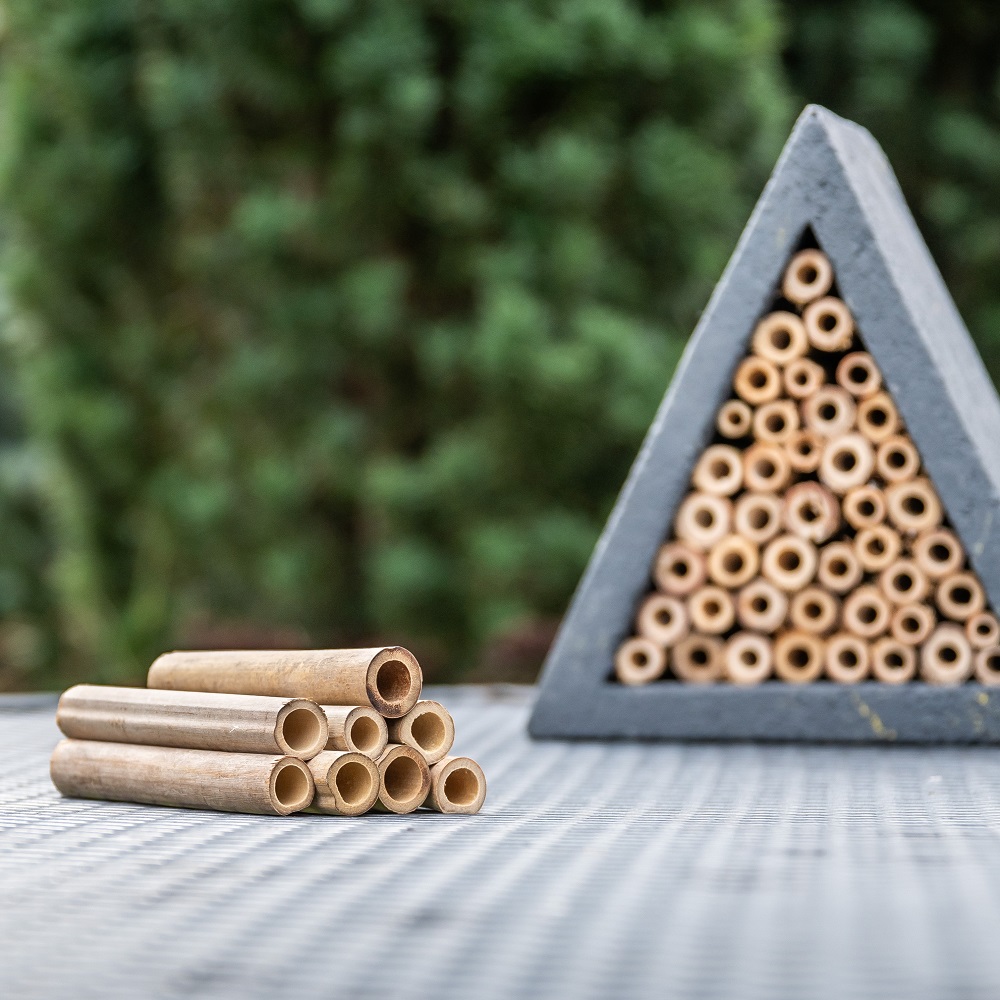
Step 5: Add a roof
To keep the bug hotel dry, add a roof. Here are some options:
-
Bark or tiles – Provides natural weatherproofing.
-
Slate or old roof tiles – Helps rainwater run off.
-
Plastic sheet (if necessary) – Use sparingly, as too much plastic can disrupt airflow.
Ensure the roof has a slight slope so rainwater doesn’t pool on top.
Step 6: Finishing touches
-
Label it – If you’re making this with children, a fun sign like “Bug Hotel” adds a personal touch.
-
Surround with flowers – Plant wildflowers nearby to attract more insects.
-
Create an entrance – Leave a small space open for easy access.
Your bug hotel is now ready for its first guests!
How to maintain a bug hotel
Bug hotels require little maintenance, but occasional checks help keep them in good condition.
-
Check for mold – Replace any rotten materials if necessary.
-
Keep it dry – If too much moisture builds up, add extra ventilation.
-
Leave it undisturbed in winter – Many insects hibernate, so avoid moving it.
-
Refresh materials annually – Replace straw and leaves to keep it inviting.
What bugs will visit?
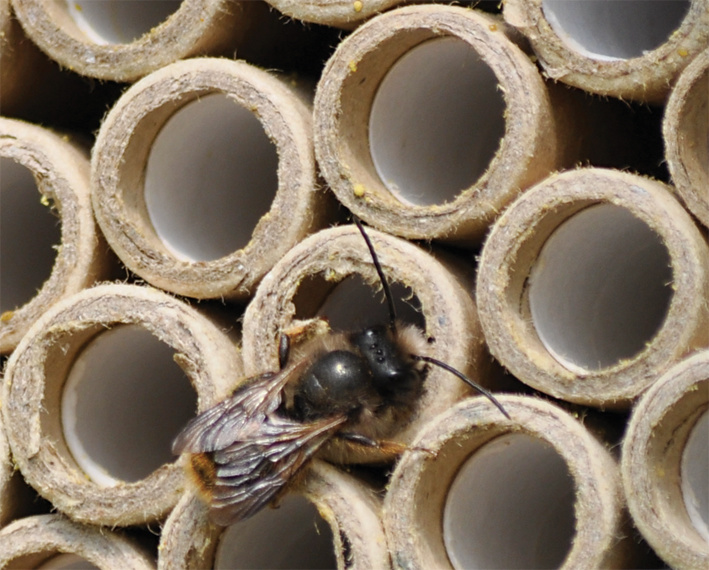
A well-designed bug hotel can attract a variety of beneficial insects:
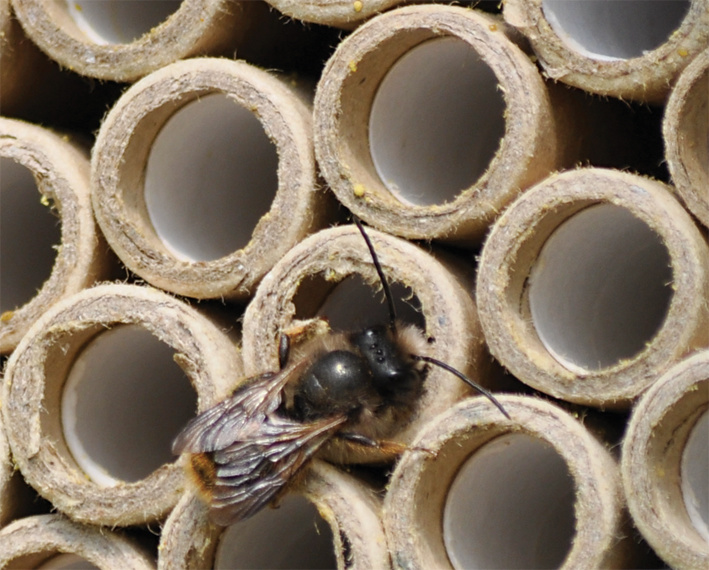
Solitary bees – Use hollow stems for nesting.
Ladybirds – Shelter in dry leaves and bark.
Spiders – Hide in crevices between wood.
Ants – Create underground chambers in the lower levels.
Beetles & woodlice – Live in rotting wood and damp areas.
Each of these insects plays an important role in maintaining a healthy ecosystem
Building a bug hotel is a rewarding and eco-friendly project. It’s an easy way to support biodiversity, reduce garden pests naturally, and provide shelter for beneficial insects. Whether you have a large garden, small backyard, or even a balcony, you can create a bug-friendly habitat.
So, gather your materials, find a good spot, and start building! Your local insects will thank you.
Ready to make a bug hotel? Share your creations with us!