
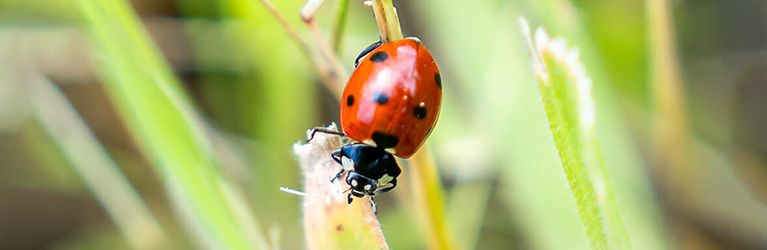
Ladybirds, also known as ladybugs, are more than just charming little beetles with bright red shells and black spots. These tiny creatures play a crucial role in maintaining the balance of ecosystems, particularly in gardens, farms, and natural habitats. As natural predators of harmful pests, they contribute significantly to biodiversity and sustainable agriculture.
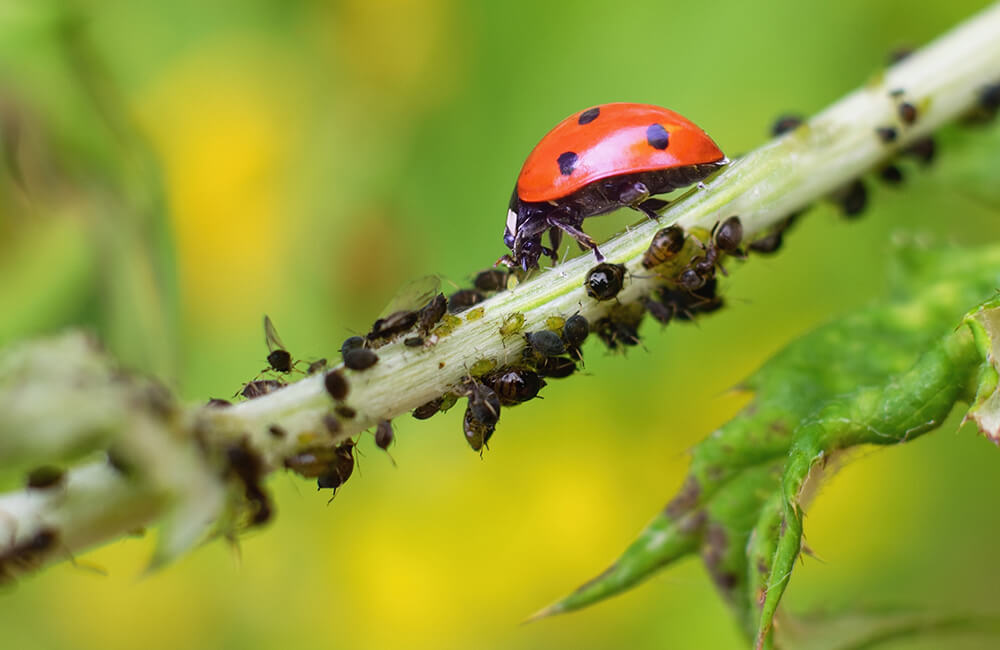
Natural pest control
One of the most valuable contributions of ladybirds is their role as natural pest controllers. They primarily feed on aphids, tiny sap-sucking insects that can cause severe damage to crops and garden plants. A single ladybird can consume hundreds of aphids in a week, making them an essential ally for farmers and gardeners.
By reducing the need for chemical pesticides, ladybirds help promote healthier soil, protect pollinators, and support a more sustainable approach to farming.
Indicators of a healthy environment
The presence of ladybirds is often a sign of a well-balanced ecosystem. Because they rely on a steady supply of aphids and other small insects, their population reflects the overall health of an environment.
A decline in ladybird numbers can indicate an overuse of pesticides, habitat destruction, or climate change effects, all of which can disrupt biodiversity. Protecting their habitats ensures that these beneficial insects continue to thrive and support the wider ecosystem.
Supporting pollination and plant growth
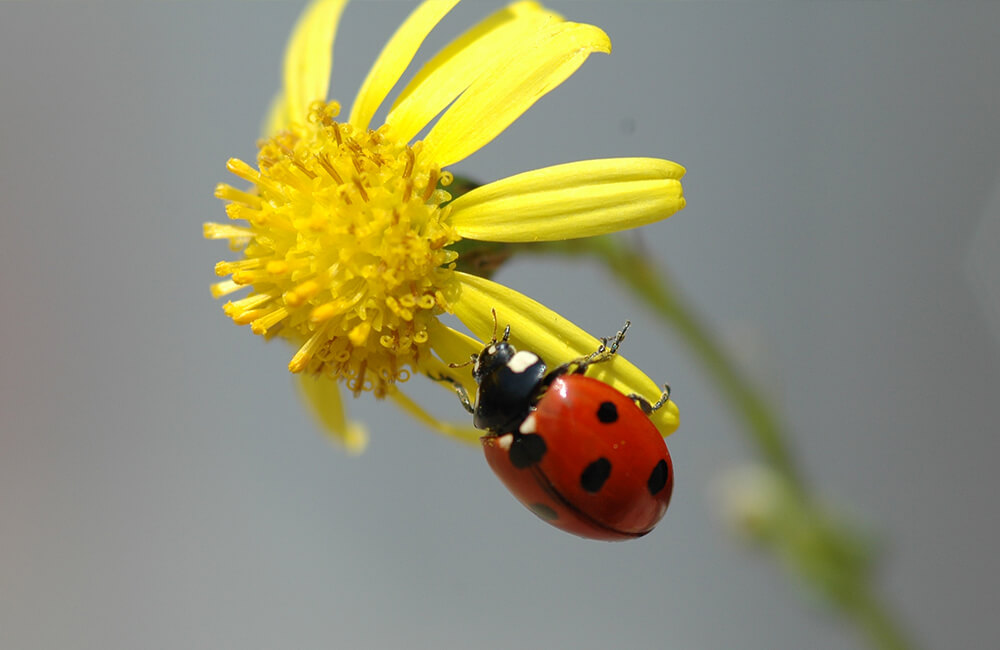
While ladybirds are not primary pollinators, they indirectly contribute to plant health. By controlling pest populations, they help plants grow stronger and healthier, creating better conditions for pollination by bees, butterflies, and other insects. In turn, this enhances biodiversity by supporting a greater variety of plant and animal life.
Encouraging ladybirds in your garden
If you want to attract ladybirds to your garden, there are several simple steps you can take.
- Planting nectar-rich flowers such as marigolds, lavender, and dill will provide them with an additional food source.
- Avoiding chemical pesticides will ensure that both ladybirds and their prey, such as aphids, can coexist naturally.
- You can also install insect hotels or leave small piles of leaves and twigs in your garden, offering them shelter during colder months.

Ladybirds may be small, but their impact on biodiversity is immense. By controlling pests, supporting plant health, and serving as indicators of a thriving environment, they play a vital role in maintaining ecological balance. Encouraging their presence in gardens and farmland not only benefits plants and wildlife but also helps reduce reliance on harmful pesticides. Protecting ladybirds means protecting biodiversity—something that benefits us all.