Mason Bee Houses for Red Mason Bees
Red mason bees are among the UK’s most important garden pollinators. Gentle, fascinating and highly efficient, these solitary bees help pollinate fruit trees, flowers, vegetables and wild plants throughout spring. A well-designed mason bee house provides a safe place to nest, helping you support local biodiversity directly from your garden.
Unlike honeybees or bumblebees, red mason bees do not live in colonies. Each female searches for narrow nesting tunnels where she can lay her eggs. This is why choosing the right red mason bee house matters. These bees prefer clean, dry, horizontal nesting tubes or drilled holes that replicate the natural spaces found in hollow stems, old wood or sheltered crevices.
Why Choose a Mason Bee House?
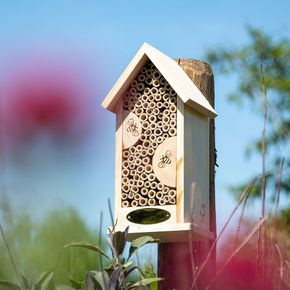
A mason bee house is designed specifically for solitary bees, including red mason bees and other cavity-nesting species. These bee houses provide suitable tunnels where bees can lay eggs, seal each chamber with mud and protect the next generation until they emerge the following spring.
Adding a mason bee house to your garden is a simple way to support pollinators and improve biodiversity. It also offers a unique opportunity to observe bee behaviour up close, from nest building to the movement of pollen and nectar.
What Makes a Good Red Mason Bee House?
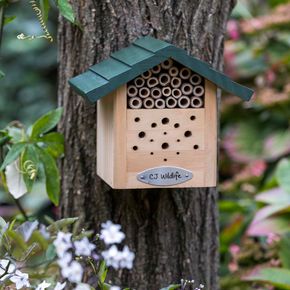
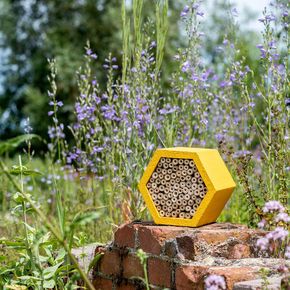
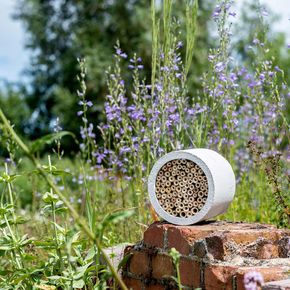
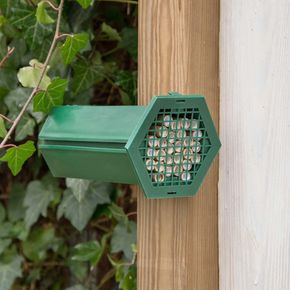
Not all insect hotels are suitable for red mason bees. The best mason bee houses include nesting tubes or holes around 6mm to 8mm in diameter, with smooth internal surfaces and sufficient depth. Dry, sheltered conditions are essential, as damp or poorly designed nesting spaces can reduce success rates.
Our range of mason bee houses has been selected to provide suitable nesting conditions for UK gardens. Look for designs with strong weather protection, correctly sized tunnels and secure positioning. For best results, place your bee house in a sunny, sheltered location near nectar-rich plants.
Mason Bee Houses vs Insect Hotels
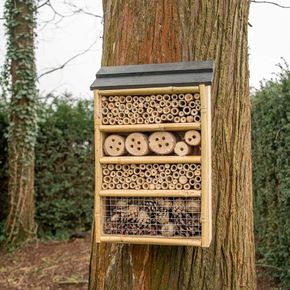
While general insect hotels can attract a range of wildlife, they are not always ideal for red mason bees. Many decorative designs include materials such as pinecones or bark, which are not suitable for nesting. If your goal is to attract solitary bees, a dedicated mason bee house or a bee hotel with proper nesting tubes is the better choice.
A purpose-built mason bee house offers the tunnel-like nesting spaces these bees naturally seek, making it far more effective for customers searching for bee houses, solitary bee nest boxes or red mason bee houses.
Where to Place a Mason Bee House
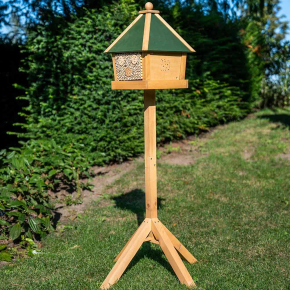
Position your mason bee house in a sunny, sheltered spot, ideally facing south or south-east. It should be fixed securely to avoid movement in the wind. Choose a location away from heavy rain and shade, with flowers, fruit trees or pollinator-friendly plants nearby.
Red mason bees are most active in spring, so install your bee house early in the season. Once occupied, leave it undisturbed and enjoy watching these hardworking pollinators at work.
Support Pollinators in Your Garden
Creating a pollinator-friendly garden does not need to be complicated. A mason bee house, combined with nectar-rich plants and a calm environment, can make a real difference. By supporting red mason bees and other solitary bees, you help maintain healthy ecosystems and encourage wildlife to thrive.
Explore our range of mason bee houses and choose a safe, effective nesting space for one of the UK’s most valuable garden pollinators.